Why Can’t You Hear the Sea Inside Jagannath Temple? The Story of Meghanada Pacheri
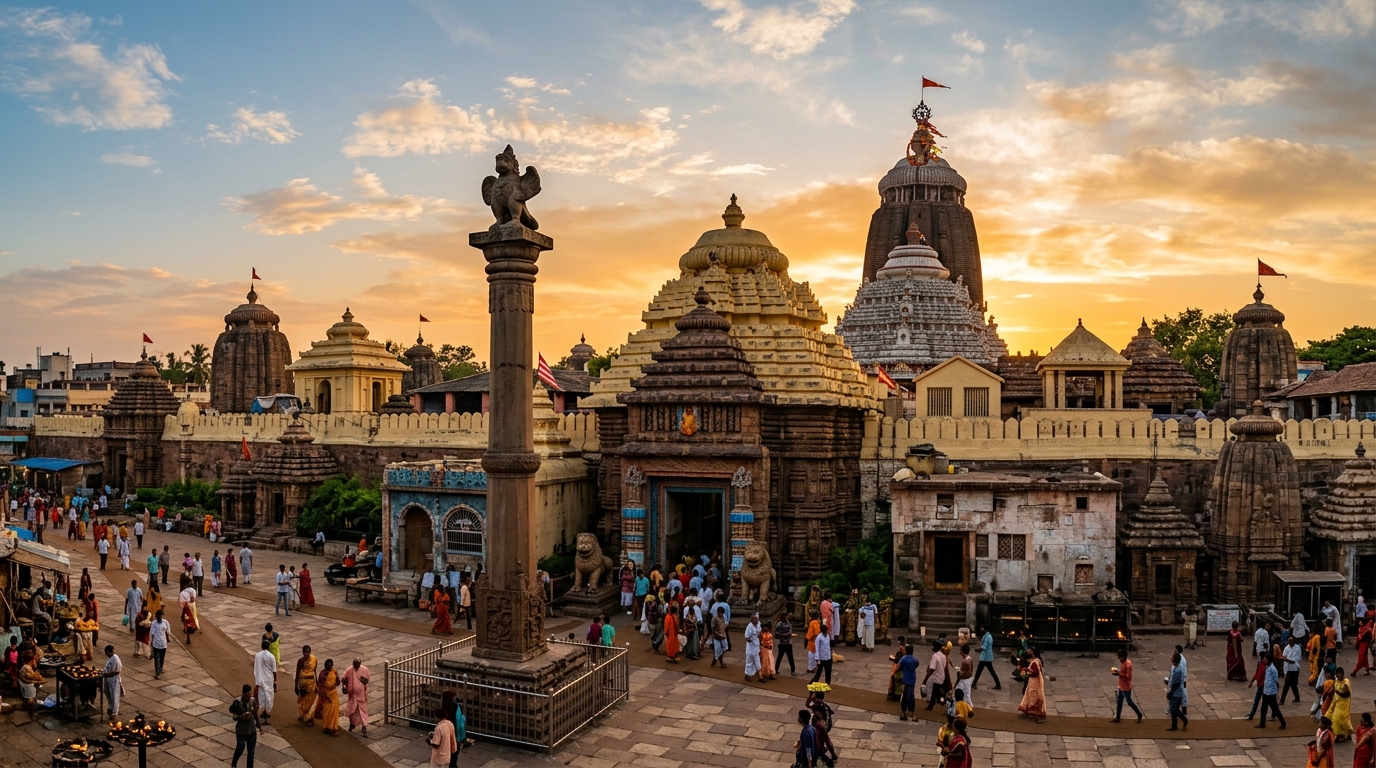
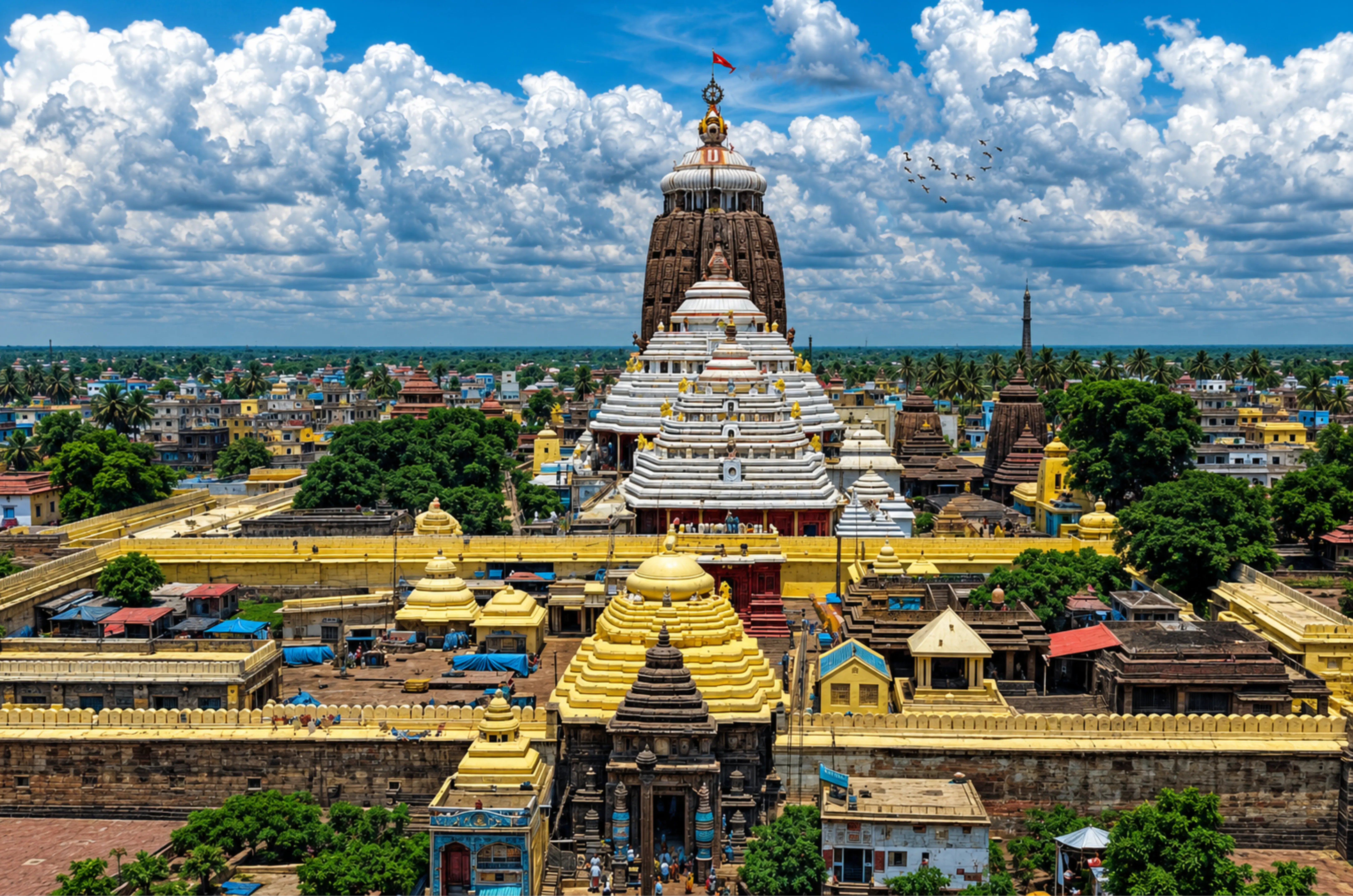
Puri is known for two things that draw visitors from across India and beyond: the sacred Shree Jagannath Temple and the Bay of Bengal. Yet, a fascinating question has been associated with the temple for generations: why does the sound of the sea seem to fade when you enter the temple complex?
Puri is known for two things that draw visitors from across India and beyond: the sacred Shree Jagannath Temple and the Bay of Bengal. Yet, a fascinating question has been associated with the temple for generations: why does the sound of the sea seem to fade when you enter the temple complex?
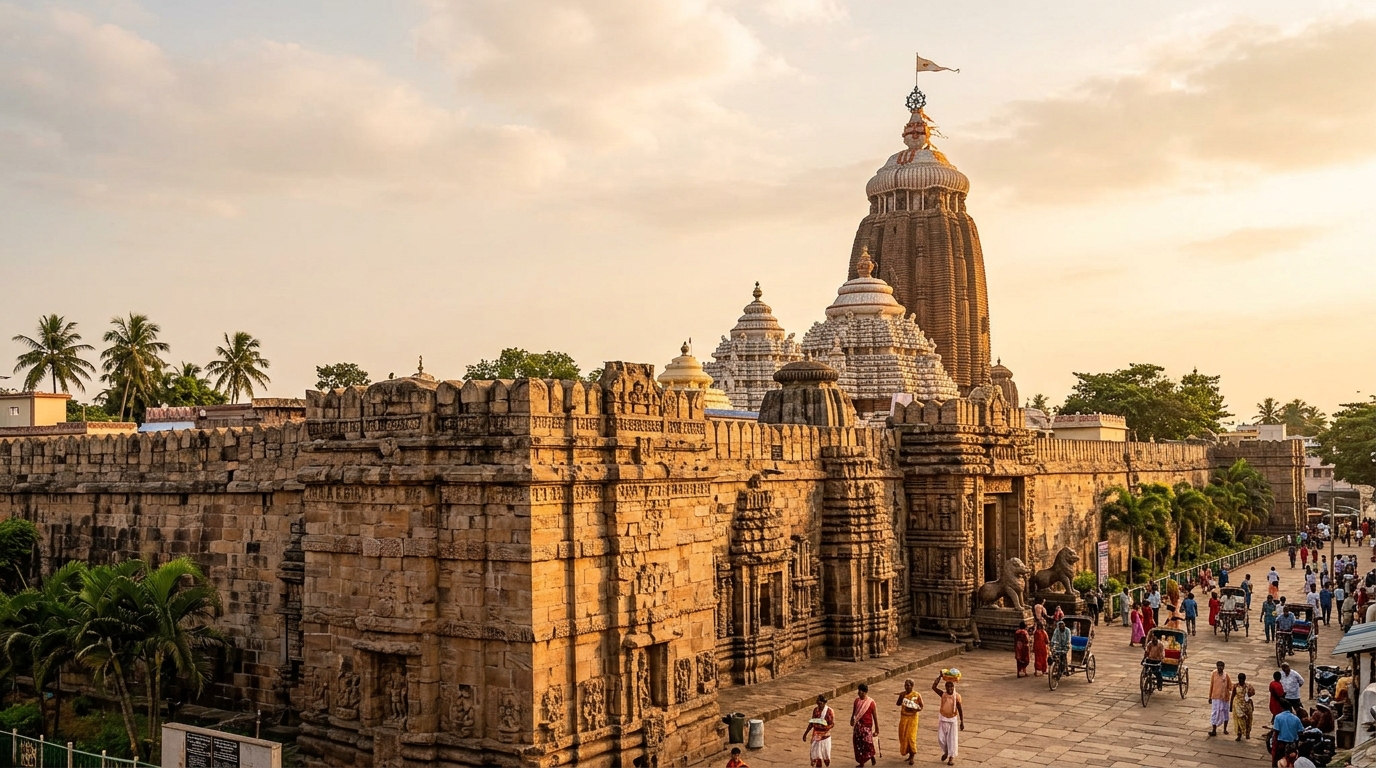
At the centre of this question is Meghanada Pacheri, the massive outer wall surrounding Jagannath Temple in Puri. Its history is closely connected with the temple’s architecture, local beliefs and the stories passed down through generations.
There are three ways to explore this intriguing question: the development of the city around the temple, the physical structure of the wall and the mythological story associated with Lord Jagannath’s abode. Each offers a different perspective on one of Puri’s most fascinating temple traditions.
What Is Meghanada Pacheri?
Meghanada Pacheri, also known as Meghanada Wall or Meghanada Prachira, is the outer boundary wall of Shree Jagannath Temple in Puri. It forms an important part of the temple’s architectural layout, enclosing the sacred complex and separating it from the surrounding streets and neighbourhoods.
The temple complex has two principal boundary walls. Meghanada Pacheri is the outer wall, while the inner wall is known as Kurma Bedha. Together, these enclosures help define the different spaces within the temple premises.
Beyond its architectural function, Meghanada Pacheri has a special place in local temple lore because of its association with the sound of the sea. This connection has made the wall an important part of the stories surrounding Jagannath Temple and its spiritual significance.
Why Can’t You Hear the Sea Inside Jagannath Temple? Three Explanations
The belief that the sound of the sea becomes quieter or disappears inside Jagannath Temple has several possible interpretations. While the exact acoustic effect has not been established here through scientific measurements, the question can be explored through the temple’s surroundings, its architecture and its religious traditions.
1. Urbanisation Around Jagannath Temple
Jagannath Temple stands within the historic heart of Puri, surrounded by streets, buildings, shops, homes and other structures that have developed over centuries.
The temple’s surroundings are therefore very different from an open stretch of beach. Buildings and other structures can influence how sound travels through an urban environment. They may obstruct some sound paths, reflect sound in different directions or change how clearly distant sounds can be heard.
Everyday sounds within a busy town can also affect what people notice. Traffic, conversations and activity around the temple may compete with the sound of the waves.
However, urbanisation alone cannot be confirmed as the reason the sea seems quieter inside the temple. Its actual contribution would depend on the surrounding layout, distance, wind and other environmental conditions.
2. The Thick Stone Structure of Meghanada Pacheri
The second explanation concerns the physical structure of Meghanada Pacheri itself.
Built as a substantial masonry enclosure, the wall forms a barrier between the temple complex and its surroundings. Thick walls can reduce the transmission of some sounds, particularly when sound cannot travel directly through the material. The temple’s other walls, buildings, gateways and enclosed spaces may also affect how sound reaches different areas.
Sound does not behave in exactly the same way in every setting. It can travel through openings, pass over barriers, reflect from surfaces and change with environmental conditions. Consequently, the experience of hearing the sea may vary depending on where a person stands within the temple complex.
This makes the wall’s architecture a plausible factor worth considering. However, it would be inaccurate to claim that Meghanada Pacheri completely blocks the sound of the sea without measurements taken at the site.
The wall’s importance extends beyond this mystery. It is an essential architectural feature that defines the temple’s outer boundary and contributes to the character of one of Odisha’s most significant heritage sites.
3. The Mythological Story Behind Meghanada Pacheri
For devotees, the story of Meghanada Pacheri is not only about sound or architecture. It also carries a spiritual meaning rooted in local religious traditions.
According to popular temple lore, the roaring sound of the sea disturbed the peace of Lord Jagannath’s abode. Stories associated with the temple describe the need to protect the sanctity and tranquillity of the sacred space from this disturbance.
Some versions of the legend also connect Hanuman with protecting the temple from the sea’s noise. Details can vary between retellings, so these accounts are best understood as devotional traditions rather than verified historical explanations.
The story gives Meghanada Pacheri a significance that goes beyond its physical form. The wall becomes a symbol of protection, separating the sacred world within the temple from the activity and sounds of the outside world.
For generations, such stories have helped devotees understand the temple through a combination of faith, symbolism and local tradition.
Meghanada Pacheri History: Why Was the Wall Built?
To understand the significance of Meghanada Pacheri, it helps to look beyond the sea-sound story.
Shree Jagannath Temple is one of Odisha’s most important religious and cultural landmarks. The main temple is generally dated to the 12th century, although the wider complex has developed through different periods of history.
The outer wall establishes the boundary of the temple precinct, while the inner enclosure creates another layer around the sacred area. This arrangement helps organise the complex and distinguishes its internal spaces from the surrounding town.
The wall is therefore significant as part of the temple’s overall design. Its scale and position contribute to the protected and enclosed character of the complex, while its association with the sea-sound legend has added a distinctive layer of cultural meaning.
The architectural function of Meghanada Pacheri and the traditional stories surrounding it should be understood together, without assuming that one necessarily proves the other.
What Makes the Meghanada Wall Important to Puri’s Heritage?
Puri’s heritage is shaped by more than its famous shrine. Its religious practices, local stories, architecture and relationship with the sea all contribute to the city’s identity.
Meghanada Pacheri brings these elements together. It is a physical boundary within a historic temple complex, an architectural feature worth understanding and the centre of a traditional story that continues to interest visitors.
For travellers, learning about the wall adds context to a visit to Jagannath Temple. Instead of viewing it simply as a structure around the temple, visitors can appreciate how its architectural role and religious associations have become intertwined over time.
The question of why the sea seems quieter inside the temple may not have one confirmed explanation. The surrounding urban environment and the temple’s physical structure offer factors to investigate, while the mythological story explains the phenomenon through the lens of faith.
Together, these perspectives show how a place can be understood through both its physical features and the traditions that give it meaning.
Exploring Puri’s Spiritual and Cultural Heritage
A visit to Jagannath Temple offers more than a glimpse into Puri’s spiritual life. Exploring stories like that of Meghanada Pacheri also gives visitors a deeper understanding of the city’s history, architecture and cultural traditions. For travellers planning to explore these heritage landmarks, choosing a conveniently located hotel can make it easier to experience both the spiritual and coastal sides of Puri.
Victoria Grand Puri is well placed for guests looking to explore the city during their stay. Jagannath Temple is approximately 1 km from the hotel, while Puri Beach is around 500 metres away, making it convenient to include temple visits and time by the sea in the same trip.
Whether you are visiting for a pilgrimage, a family holiday or an interest in Odisha’s heritage, staying close to Puri’s key attractions allows you to experience more of what the city has to offer.
Frequently Asked Questions
1. What is Meghanada Pacheri in Jagannath Temple?
Meghanada Pacheri is the outer boundary wall surrounding Shree Jagannath Temple in Puri. It is an important part of the temple’s architecture and is traditionally associated with the story of the sea’s sound becoming quieter inside the complex.
2. Why can’t you hear the sea inside Jagannath Temple?
The phenomenon is described in traditional accounts, but it should not be treated as a scientifically established fact that the sea is always inaudible inside the temple. The surrounding buildings, walls, openings, wind and ambient noise may influence how clearly the waves can be heard.
3. How does Meghanada Pacheri affect the sound of the sea?
A thick masonry wall can reduce or redirect some sound, while other buildings and enclosed spaces can influence sound transmission. However, the precise effect of Meghanada Pacheri on the sound of the sea would require site-specific acoustic measurements.
4. What is the mythological story behind Meghanada Pacheri?
Popular temple lore connects the wall with protecting the peace and sanctity of Lord Jagannath’s abode from the roaring sea. Some versions also associate Hanuman with this protection. These accounts belong to religious tradition, and versions may differ.
5. What is the difference between Meghanada Pacheri and Kurma Bedha?
Meghanada Pacheri is the outer boundary wall of Jagannath Temple, while Kurma Bedha is the inner wall surrounding the temple’s central area.
6. How far is Victoria Grand Puri from Jagannath Temple?
Victoria Grand Puri is approximately 1 km away from Jagannath Temple. Visitors should check current access conditions and their preferred route before travelling.

Vikram Singh
Hospitality & Travel Specialist
Expert in cultural heritage and traditional arts with over 10 years of experience in documenting and preserving Odisha's rich traditions.